
Why apprentices make good business sense
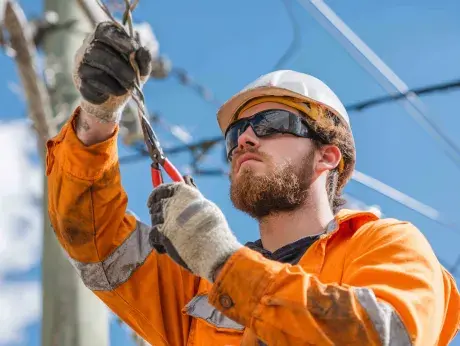
Finding qualified electricians is getting harder. Most contractors already know that. Between housing demand, major infrastructure projects and the push towards electrification and clean energy, pressure on the industry isn’t easing anytime soon.
For many electrical businesses, apprentices are no longer viewed as a “nice to have” — they’re becoming critical to keeping work moving and building a workforce for the next five to 10 years.
Good apprentices don’t just fill labour gaps. They learn your systems, your standards, and the way your business operates. Over time, that creates something many contractors are struggling to secure right now: reliable, skilled workers who understand the business from the ground up.
There’s also a practical reality. Experienced electricians are in short supply and competition for talent is fierce. Businesses waiting for qualified tradespeople to appear on the market are often competing against larger employers with deeper pockets.
Training apprentices internally gives employers more control over skills development and helps reduce reliance on an increasingly tight labour market.
MEGT research shows:
- 91% of employers say apprentices help address skills shortages.
- 89% say apprentices create leadership opportunities for existing staff.
- 86% say apprentices bring fresh energy into the workplace.
That fresh perspective matters. Apprentices often come in confident using modern technology and ready to adapt — particularly as electrical work shifts further into renewables, battery systems, EV charging, and smart technologies.
Many businesses are also using apprenticeships differently than they did a decade ago. It’s no longer only about hiring school leavers. Existing workers are being upskilled into specialist electrical areas, helping businesses expand services without recruiting externally.
Incentives available for employers and apprentices
Cost is one reason some businesses hesitate before taking on an apprentice. But with electrical trades playing a significant role in housing construction and clean energy projects, there’s currently strong government support available for eligible employers.
The Key Apprenticeship Program (KAP) provides targeted financial support to employers hiring apprentices in occupations linked to national priorities, particularly housing construction, and clean energy.
Eligible employers may receive:
- up to $5,000 for full-time apprentices
- up to $2,500 for part-time apprentices
The payments support the first year of an apprenticeship, helping businesses manage upfront costs while investing in long-term workforce capability.
Eligible apprentices may also be able to access up to $10,000 in financial support during their apprenticeship under the Key Apprenticeship Program.
For employers already managing quotes, staffing and compliance, understanding incentive eligibility and paperwork can quickly become time-consuming — which is why many businesses choose to work with an Apprentice Connect Provider, like MEGT for support.
Support for employers
Apprentice Connect Providers such as MEGT supports employers throughout the apprenticeship process, from sign-up through to completion.
Services include:
- apprenticeship sign-up and training contract administration
- guidance on financial incentives and claims support
- mentoring and support for apprentices and employers
Keen to find out more or check if you’re eligible to receive Key Apprenticeship Program incentives? Contact MEGT on 13 63 48.